-
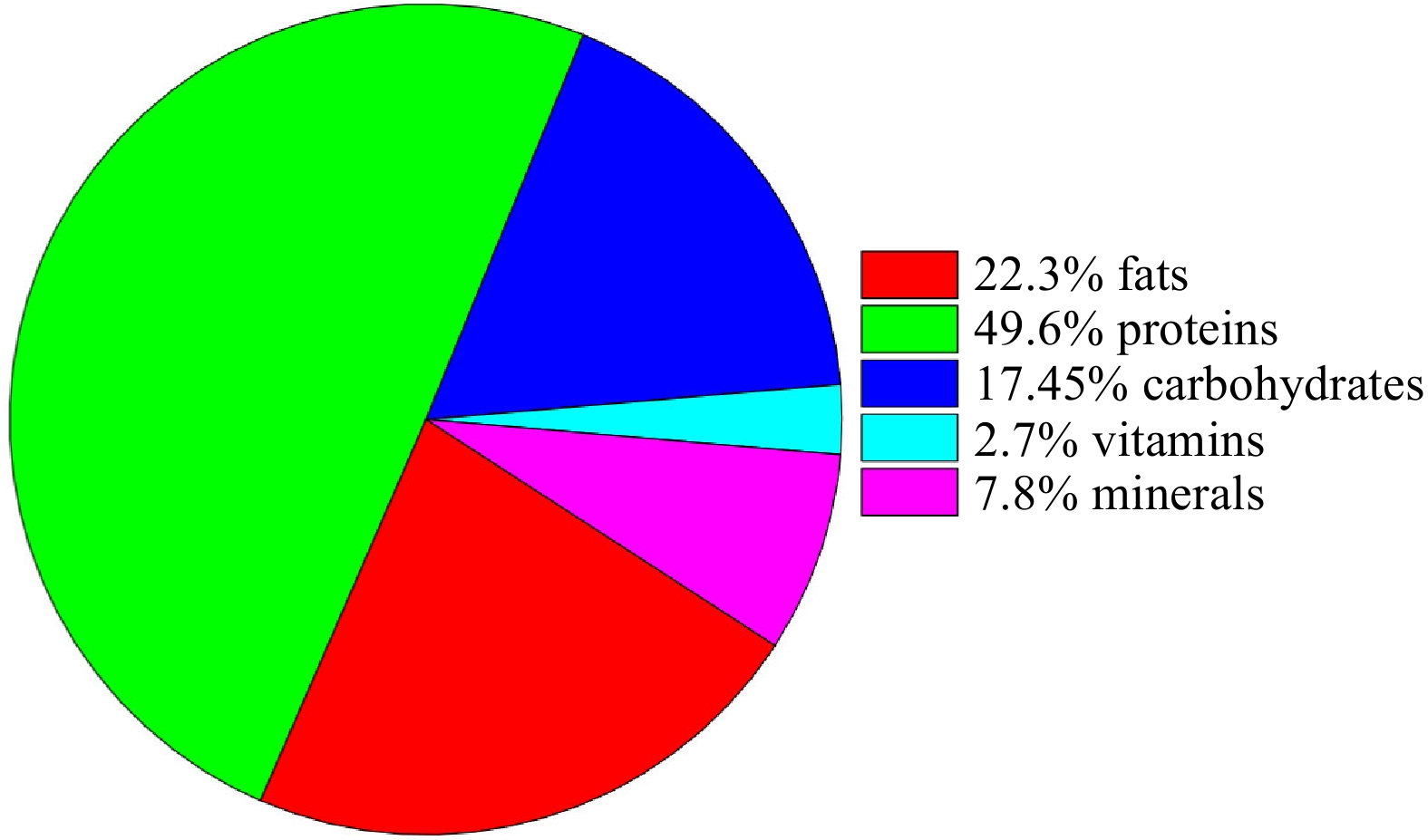
Figure 1.
Overview of whole BC composition.
-
-
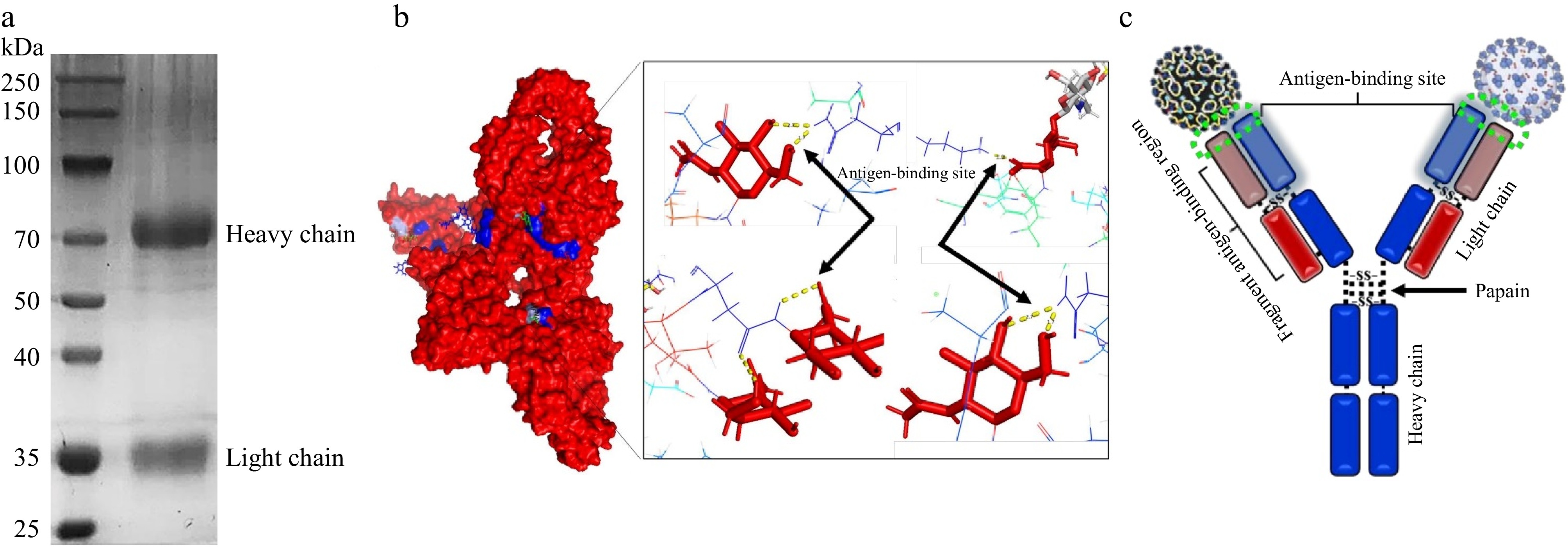
Figure 3.
(a) SDS-PAGE of IgG standard; (b) IgG antibody sites; (c) schematic representation of the basic structure of immunoglobulin.
-
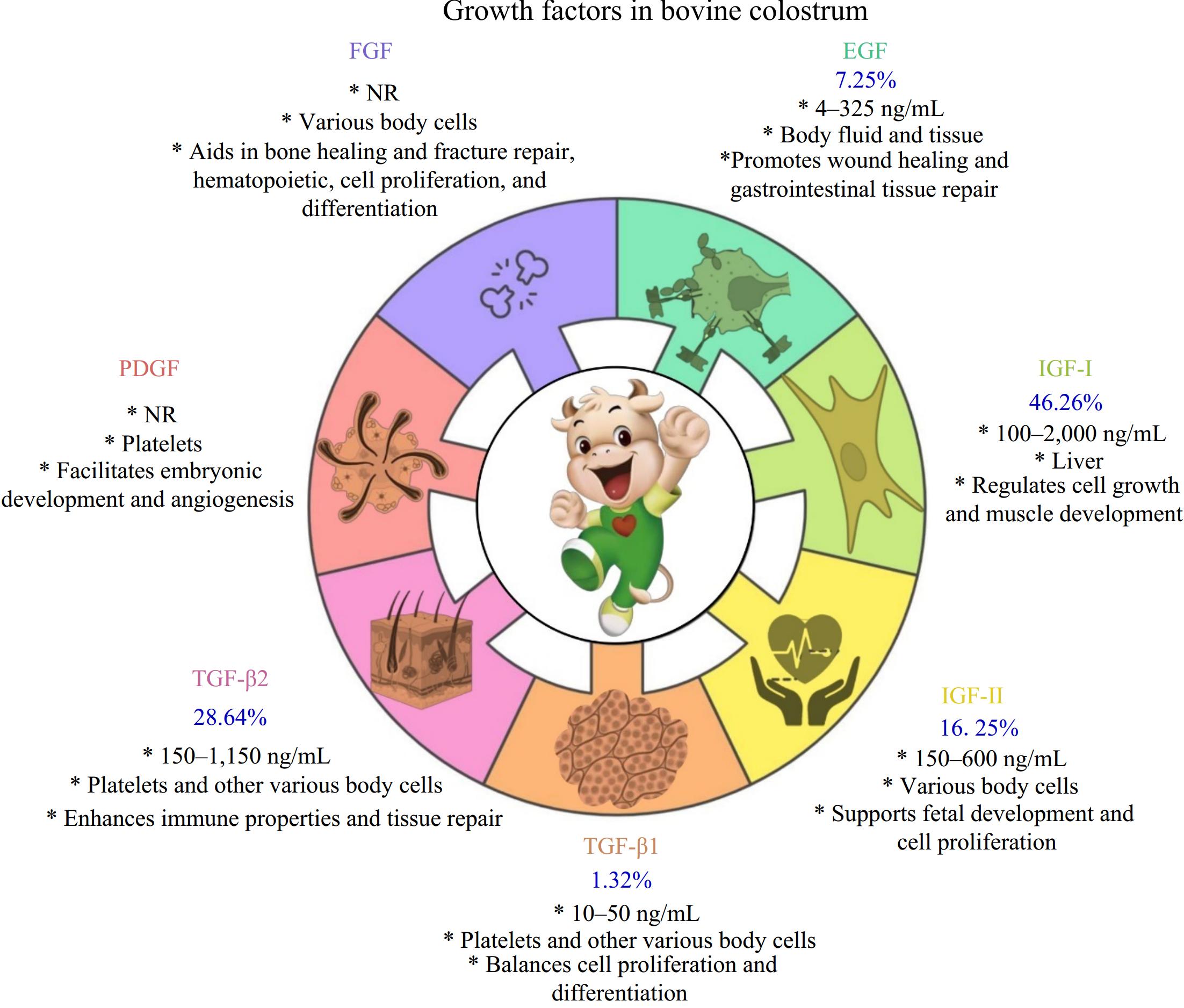
Figure 4.
Composition of growth influences in BC.
-
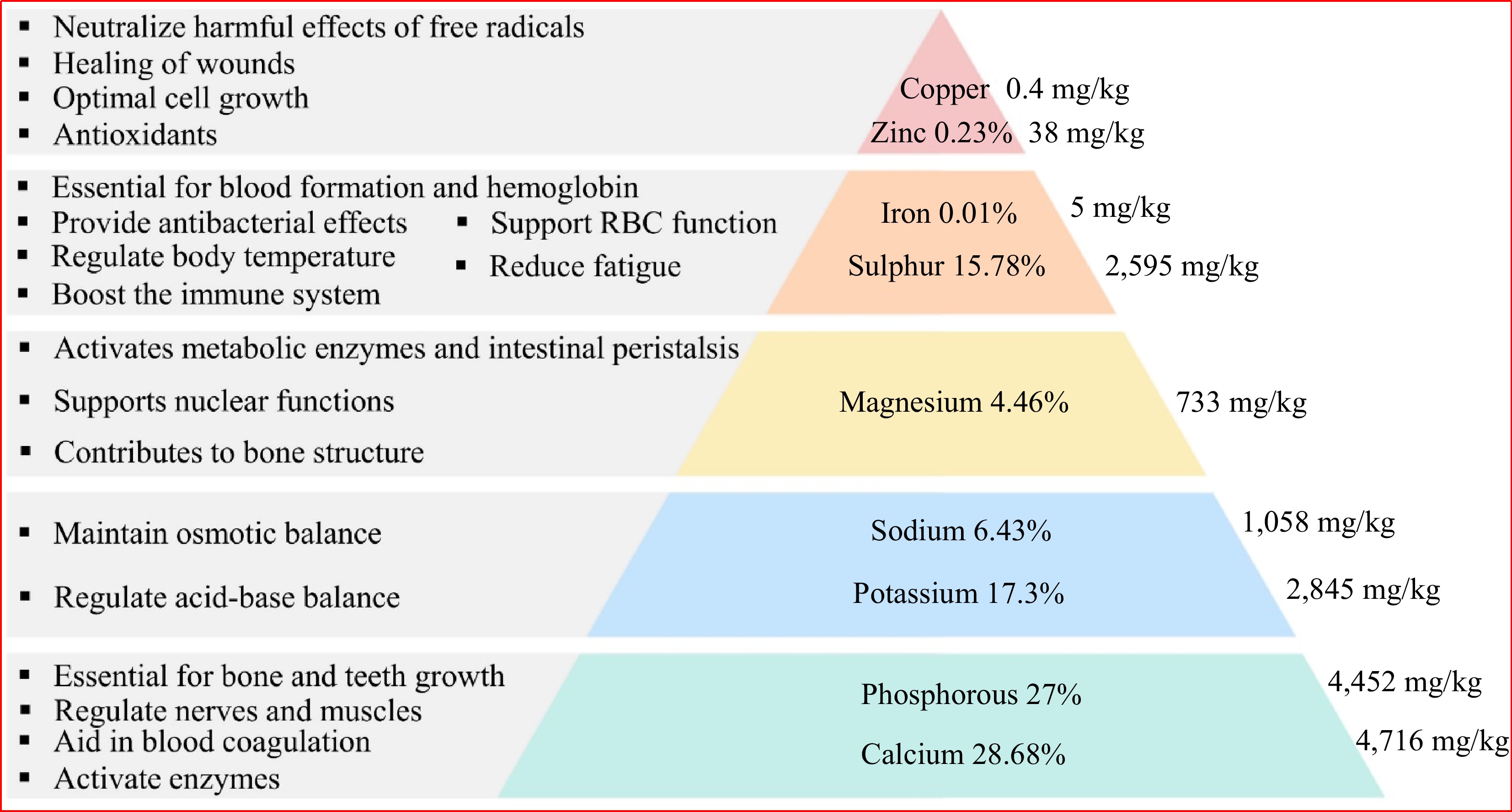
Figure 5.
Composition of minerals in BC.
-
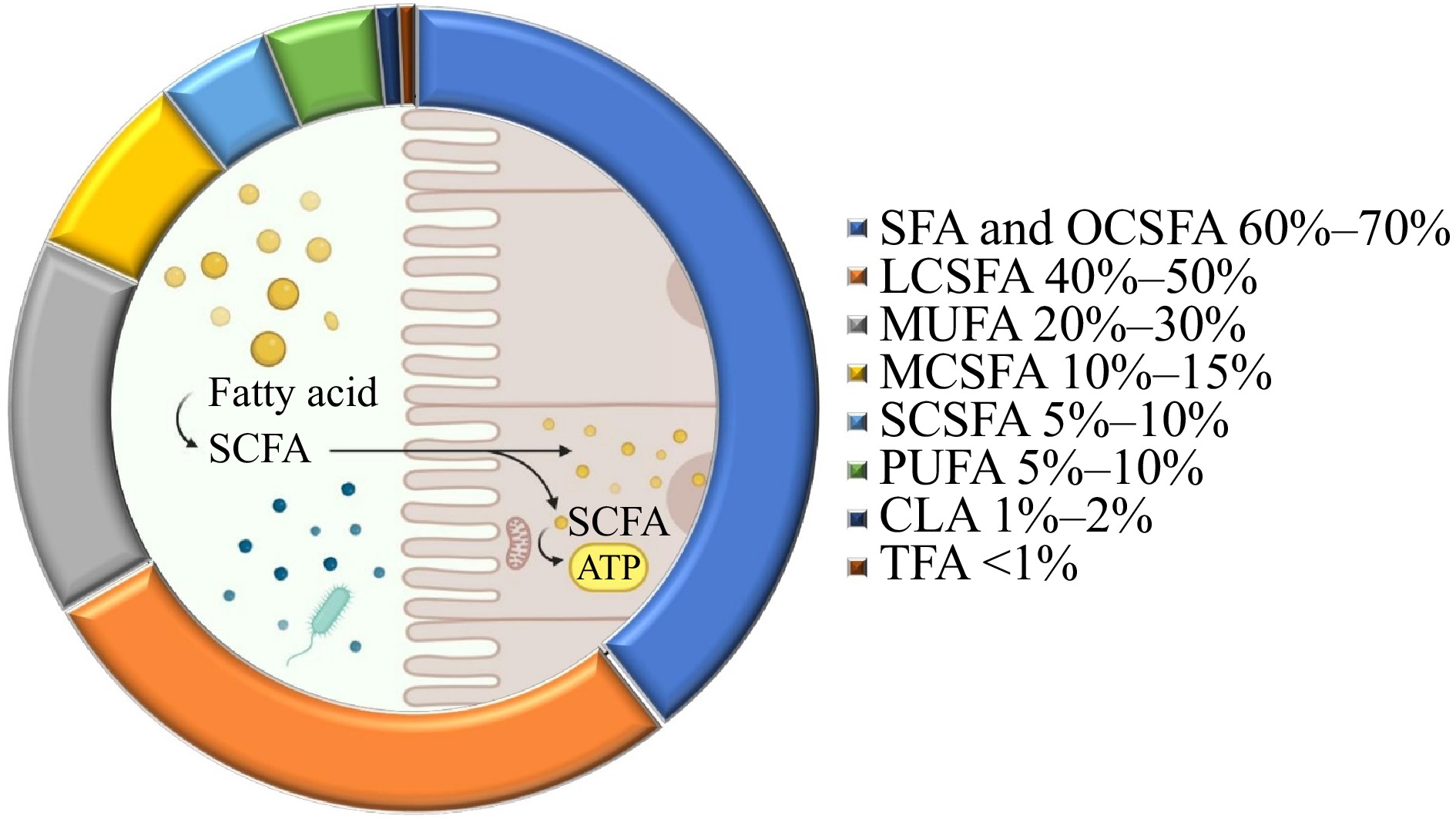
Figure 6.
Composition of fatty acids in BC.
-
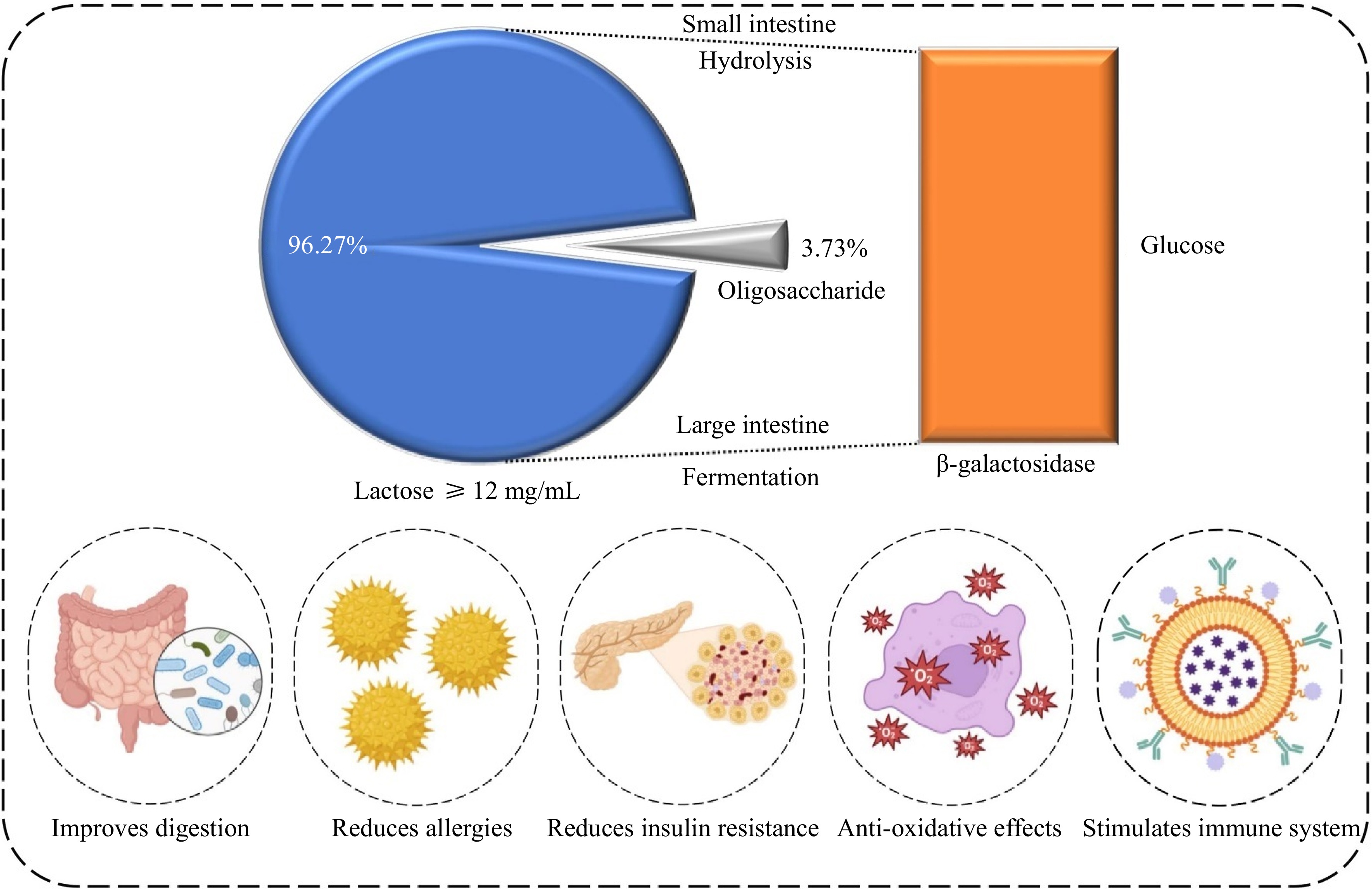
Figure 7.
Composition of carbohydrates in BC.
-
Component Units Colostrum Mature milk Dry matter mg/ml 153–245 125 IgG1 mg/ml 50–90 0.3–0.4 Ash content mg/ml 5–20 7 Protein mg/ml 41–140 37–40 Fat mg/ml 39–67 37–42 Lactose mg/ml ≥ 12 26–44 IgA mg/ml 3–6.5 0.04–0.06 IgM mg/ml 3.8–6.0 0.03–0.06 IgG2 mg/ml 1.5–2.0 0.03–0.08 Lactoferrin mg/ml 1.5–5.0 0.1–0.3 Lactoperoxidase mg/L 11–45 13–30 Lysozyme mg/L 0.14–0.7 0.07–0.6 β-carotene μg/L 100–3,400 200 IGF-I μg/L 100–2,000 < 25 TGF-β2 μg/L 150–1,150 < 5 IGF-II μg/L 150–600 < 10 EGF μg/L 4–325 < 10 TGF-β1 μg/L 10–50 < 5 -
Amino acid The benefits to health Essentials Threonine Skin's creation of collagen as well as elastin, the generation of antibodies, and a decrease in stress and anxiety. Valine Energy metabolism and muscle development as well as repair. Methionine Prevents harm to the liver, functions as an antioxidant, and lowers artery-stored fat, digestion, and production of collagen (nails and hair). Isoleucine Production of hemoglobin, control of energy and blood sugar levels, muscle growth, and post-exercise recovery. Leucine Control blood sugar levels, muscular growth and development, growth hormone synthesis, and energy balance. Phenylalanine Neurotransmitters and depression. Lysine Fatty acid conversion to energy, cholesterol reduction, calcium conservation, collagen creation (bones, cartilage, and connective tissues), and carnitine synthesis. Histidine The body's immune system secretes this precursor of histamine during allergic reactions, tissue growth and repair, RBC and WBC synthesis, heavy metal removal, and gastric juice production. Semi-essential Cysteine Uphold protein structure, communicate amongst cells of the immune system, and transform cysteine into glucose for energy. It is a part of the antioxidant glutathione. Tyrosine Control emotions and stress, decrease hunger and body fat, and enhance thyroid function. Non-essential Aspartic acid Address the production and release of hormones, the citric acid cycle, depression, and exhaustion. Typical nervous system operation. Serine Developed immune system, muscle growth, and fatty acid metabolism. Glutamic acid By far the biggest source of intestinal energy is cellular metabolism. Proline Collagen synthesis, tissue damage repair, anti-aging action (lessens wrinkles and drooping), and preservation of healthy skin and connective tissues. Glycine Serve as nerve impulse transmitters in certain spinal cord and ocular regions. Alanine Glucose metabolism protects muscles from the accumulation of poisonous and dangerous chemicals. Arginine Increases immunological response, muscle growth, wound healing, and growth hormone stimulation. Source: [5,44,45]. Table 2.
BC contains amino acids with health benefits.
Figures
(7)
Tables
(2)